

Relocating from South Korea to Germany is a major strategic decision—both professionally and personally. For Korean CEOs, founders, and senior professionals, Germany offers strong job opportunities, a stable economy, and a high standard of living in Germany, but daily life, education, language, and work culture differ significantly from Korea. There are a lot of differences and new experiences that Korean families will encounter when adapting to life in Germany.
This guide is designed to be a practical resource about living in Germany, focusing on what Korean families and business leaders should know before moving to Europe. It combines lifestyle insights with professional considerations to help you make an informed decision.
Why Germany Is an Attractive Place to Live and Work for Koreans
Germany is one of the strongest economies in Europe and a central business hub in Europe, attracting professionals, engineers, and companies from around the world. Germany is a land of opportunity in Europe, offering a favorable environment and unique advantages for residents and expats. For many Koreans, to live in Germany means access to international markets, political stability, and long-term opportunities.
There are many reasons why living in Germany appeals to foreigner professionals from South Korea:
- A strong industrial and technology-driven economy
- High demand for engineers and qualified professionals
- A reliable public transport system connecting cities and regions
- A structured government system and transparent services
- Strong work life balance compared to many Asian countries
There are also a lot of opportunities and support systems available for Koreans who choose to settle in Germany.
Germany is also considered a very safe country with a high quality of life, making it an attractive place to live for families. You will find that living in Germany offers a unique blend of security, opportunity, and cultural experience.
Living Costs and Cost of Living in Germany
Understanding the cost of living is essential before moving to Germany. Living costs vary by city, region, and lifestyle, but overall Germany offers good value compared to other global business destinations.
Typical living costs include:
- Rent and utilities (varies by region and city)
- Health insurance (mandatory for every person living in Germany)
- Food, transport, and education
- Childcare and schools, including international high school options
While major cities like Munich or Frankfurt are more expensive, many regions offer a balanced combination of affordability and quality of life. Compared to some Asian capitals, the cost of living in Germany can be predictable and transparent.
Language and Communication: German and English in Daily Life
One of the most common concerns for Koreans living in Germany is the language barrier. German is the official language of the country, and while many Germans speak English, especially professionals, knowing the German language is a long-term advantage.
Important points to know:
- English is widely used in international companies and business environments
- In daily life, government offices and documents are usually in German
- Learning German helps with integration, services, and community life
- Children adapt quickly to languages through schools and daily interaction, especially in a new environment where they are immersed with peers
For CEOs and professionals, operating in English is often possible at work, but basic German improves communication with authorities, schools, and local communities.
If you are new to Germany, you can use language apps, join local language courses, or participate in community events to overcome language barriers.

Education, Schools, and High School Options for Korean Families
Education is one of the most important topics for families moving to Germany. The country offers a strong public education system and many international schools. Students in Germany, including international and Asian students, often achieve high academic standards and benefit from diverse educational experiences.
There are several school options:
- Public schools (taught in German)
- International schools with English-language programmes
- Private schools and bilingual schools
- International high school diplomas (IB, British, or American systems)
One important thing to note is that enrollment requirements and language support can vary depending on the type of school, so understanding these things in advance is essential for a smooth transition.
Germany places strong emphasis on education, and children benefit from a structured system, safe environment, and international exposure. Many expat families choose international schools in larger cities or business regions.
Health Insurance and Healthcare Services in Germany
Health insurance is mandatory in Germany for every person. The healthcare system is considered one of the best in Europe.
Key facts:
- Public and private health insurance options exist
- Employees are automatically registered through their job
- Self-employed professionals must choose insurance independently
- Medical services are high quality and widely accessible
For Korean families, the German healthcare system provides security, reliability, and strong preventive care.
Work Culture, Work Life Balance, and Job Opportunities
German work culture is very different from Korean corporate culture. Understanding this difference is critical for long-term success.
Key aspects of German work life:
- Strong separation between work and private life
- Clear working hours and respect for personal time
- Direct communication style
- High value placed on planning, structure, and reliability
- For the best work-life balance, employees benefit from well-defined boundaries and flexible arrangements
In Germany, you can have a good work-life balance thanks to the clear distinction between professional and personal time.
Germany offers many job opportunities for engineers, IT professionals, managers, and specialists. Many companies actively hire international talent, and professionals from South Korea are highly valued for their technical expertise.
Living Environment, Cities, and Public Transport System
Germany offers a clean, green, and well-organized living environment. Cities are designed for efficiency and quality of life. In particular, the Frankfurt-RheinMain area is popular among Koreans, with a strong community presence and close connections to Korean companies.
Benefits include:
- Excellent public transport system across cities and regions
- Easy access to nature, parks, and recreation
- Family-friendly infrastructure
- Safe neighborhoods and strong community life
- A lot of different living environments and options to suit various needs
Whether you choose a large city or a quieter region, Germany offers a stable and comfortable place to live for professionals and families.

Community, Expat Life, and Integration
Koreans living in Germany often find strong expat communities, especially in regions with international businesses. There are cultural events, business networks, and Korean communities that help newcomers integrate. Historically, Korean miners played a significant role in Germany from the 1960s, contributing to the economy and shaping the Korean community through their work and settlement.
Integration is supported by:
- Local government programmes
- Language courses and expat services
- International schools and professional networks
- Cultural and business events
As a newcomer, you have access to these resources and support systems to help you settle and thrive in Germany.
Germany values structure and respect for rules, but Germans are generally open, reliable, and supportive once relationships are established.
Expanding to Germany: Opening a European Branch with the Right Local Support
For many companies from South Korea, opening a branch in Germany is a strategic step to access the European market. Germany is not only the economic engine of Europe, but also a country where international businesses can scale sustainably when supported by the right local partners. There are many reasons why foreign companies choose Germany as their entry point to live in Germany, work, and operate across Europe.
Germany has a large population, strong infrastructure, and a highly skilled workforce. Cities such as Frankfurt and the surrounding Rhine-Main region offer ideal conditions for international expansion. The number of global businesses operating in this region continues to grow, driven by strong logistics, excellent connectivity, and a reliable public transport system that makes commuting easy for workers and families alike.
Why Germany Is Ideal for a European Branch Office
Germany, as a country, offers stability, transparency, and long-term planning security. Germans value structure, reliability, and quality—principles that align well with Korean business culture. In Germany, companies benefit from:
- A central location in Europe
- Access to highly qualified workers and professionals
- Efficient public services and digital infrastructure
- A strong legal framework supporting businesses
- Clear government programmes supporting foreign investors
There are many cities in Germany that attract international companies, but the Rhine-Main region stands out due to its proximity to Frankfurt Airport, international trade fairs, and financial institutions. This makes it easier for executives to travel between their home country and Europe.
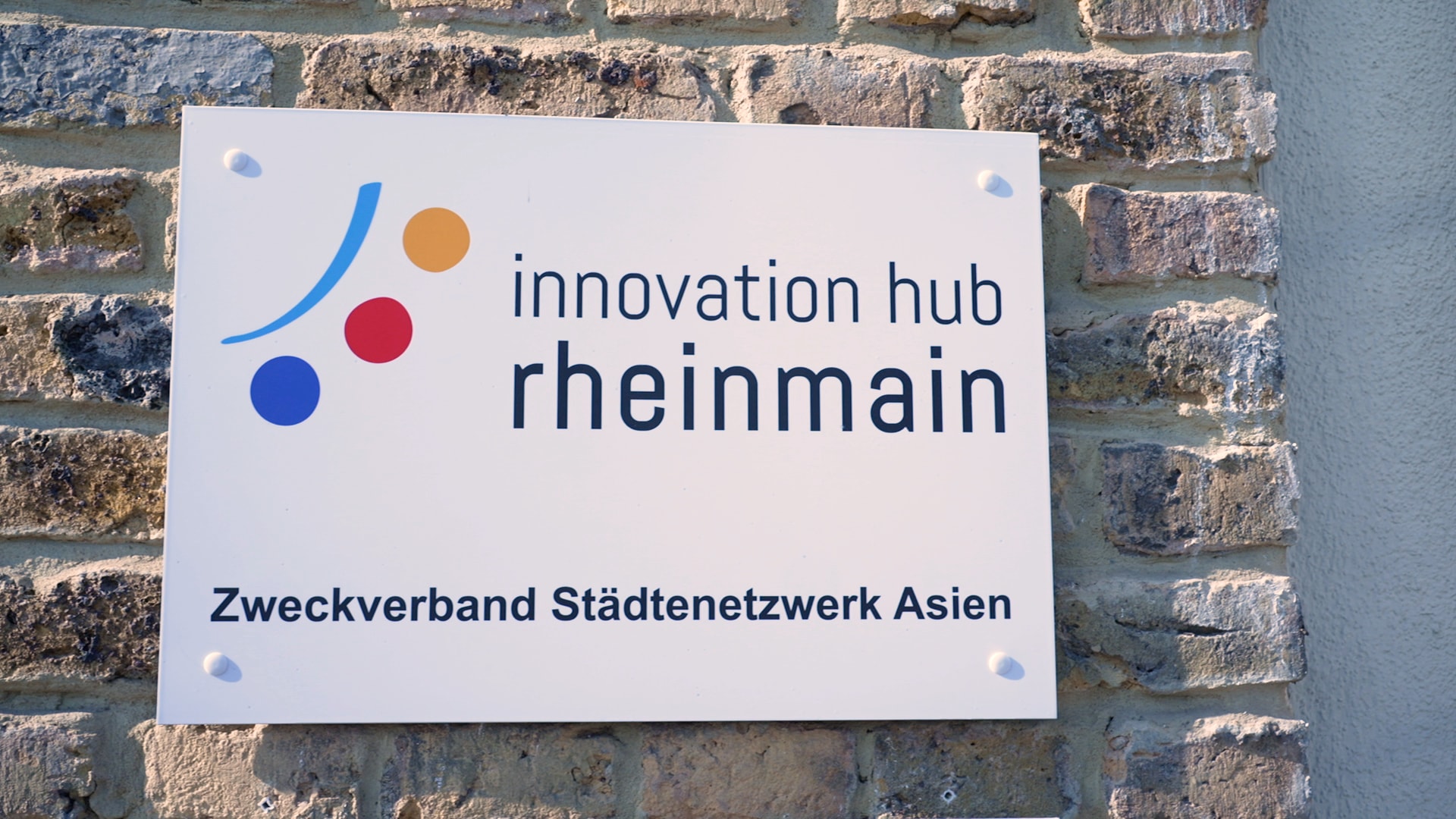
Innovation Hub RheinMain: Your Gateway to Germany and Europe
The Innovation Hub RheinMain plays a key role in supporting foreign companies that want to establish a presence in the German and European market. Especially for Korean companies, the Innovation Hub acts as a local partner that understands both international business expectations and German regulations.
The Innovation Hub RheinMain supports companies with:
- Market entry information and strategic guidance
- Company setup and local business networks
- Office solutions and flexible workspace models
- Connections to service providers, legal advisors, and consultants
- Support for executives, expats, and their families
For CEOs and founders, this support reduces complexity and risk. Instead of navigating Germany alone, companies benefit from a structured programme designed to make expansion smoother and faster.
Living and Working in Germany as an Expat Entrepreneur
For expat executives and their teams, to live in Germany means adapting to a new environment while managing business growth. Germany offers excellent services for expats, including relocation assistance, language courses, and family-oriented infrastructure.
There are many international events, business forums, and networking opportunities in the Rhine-Main region. These events help new arrivals build connections with local businesses, institutions, and other international professionals.
Daily life is supported by reliable systems:
- Efficient public transport in every major city
- Safe living conditions and high-quality healthcare
- Strong education systems for children
- A structured but open business environment
For people relocating from Asia, Germany offers predictability, safety, and a high standard of living.

Workforce, Businesses, and Long-Term Growth
Germany’s workforce is one of its strongest assets. The country has a high number of skilled workers, engineers, and specialists across industries. Many companies actively seek international expertise, and multicultural teams are common in global firms.
For Korean businesses, this means access to talent and long-term scalability. Germany encourages innovation, sustainability, and cross-border cooperation, making it easier for foreign firms to integrate and grow.
With the support of the Innovation Hub RheinMain, businesses can focus on strategy and development while local experts handle operational challenges.
Germany as a Strategic European Base
Expanding in Germany is more than a business decision—it is a long-term investment in stability, growth, and access to Europe. With strong cities, a reliable workforce, and a transparent system, Germany continues to attract international companies.
With the Innovation Hub RheinMain as a trusted partner, Korean companies gain not only a physical location, but also a strategic support structure. Whether you are opening a small branch or planning a larger European operation, the combination of Germany’s strengths and local guidance creates the ideal foundation for success.
Is Living in Germany the Right Choice for Korean CEOs?
For Korean CEOs and decision-makers, living in Germany offers a strategic combination of professional opportunity and family stability. The country provides access to Europe, a strong economy, high-quality education, reliable healthcare, and a balanced lifestyle.
If you are considering relocation to Germany, preparing early—especially around language, schools, and local systems—will ensure a smooth transition. With the right information and support, Germany can become not just a business destination, but a long-term home for you and your family.
Germany is not only a place to work—it is a place to live, grow, and build sustainable success in Europe.

FAQ: Living and Working in Germany – A Guide for Korean Companies and Families
Why do Korean companies choose Germany as a base for Europe?
Germany is one of the strongest economies in Europe and offers direct access to the European Union market. For many companies from South Korea, Germany is the ideal country to expand their business in Europe due to its central location, political stability, and strong industrial base.
There are many cities in Germany with international infrastructure, and the Rhine-Main region is especially attractive because of its airport, logistics networks, and global business environment. With support from the Innovation Hub RheinMain, companies receive reliable information, services, and local guidance to enter the German market successfully.
Is living in Germany suitable for Korean expat families?
Yes, living in Germany is very suitable for Korean families relocating for business. Germany offers a high quality of life, strong public services, and a safe environment. There are international schools, kindergartens, and healthcare services designed for expats and foreigners.
Many Koreans living in Germany appreciate the balance between work and private life, the efficient public transport system, and the wide range of cultural and business events. The Innovation Hub RheinMain also supports expat families with local information and integration support.
What should Korean CEOs know about working culture in Germany?
German work culture is structured, reliable, and based on clear communication. Germans value punctuality, planning, and transparency in business relationships. For Korean professionals, this environment is often seen as compatible and predictable.
There are clear expectations regarding working hours, responsibilities, and decision-making processes. With the Innovation Hub RheinMain, companies receive practical insights into German workplace culture, helping executives and workers adapt faster and avoid misunderstandings.
Are there good job opportunities and skilled workers in Germany?
Yes, there are strong job opportunities in Germany, especially for engineers, IT professionals, and skilled workers. Many companies in Germany actively look for international talent, and multicultural teams are common in larger cities.
For Korean businesses opening a branch in Germany, this means access to a qualified workforce and long-term growth opportunities. The Innovation Hub RheinMain supports companies in connecting with local networks, service providers, and recruitment partners.
How does the Innovation Hub RheinMain support Korean companies relocating to Germany?
The Innovation Hub RheinMain acts as a bridge between Korean companies and the German business environment. It provides structured support for companies planning to move to Germany, including:
- Market entry information and orientation
- Support with business setup and local services
- Office space and flexible workplace solutions
- Networking with local businesses and institutions
- Assistance for expats and families relocating from their home country
This support reduces complexity and allows CEOs and decision-makers to focus on business strategy while local experts handle operational challenges.
Is language a barrier when living and working in Germany?
While the German language is important, many professionals speak English, especially in international businesses and major cities. For daily life, services, and administration, learning basic German is recommended, but it is possible to start working with English.
The Innovation Hub RheinMain helps foreign companies and expats find language resources, programmes, and services that make communication easier and integration smoother.