

For Korean companies planning their European market entry, choosing the right country is one of the most critical strategic decisions. CEOs often compare Germany, the UK, France, or the Netherlands when planning Germany business expansion or wider Europe expansion. Factors such as market size, economic stability, location, infrastructure, and long-term growth potential play a decisive role.
Germany consistently emerges as the most reliable and scalable entry point for Korean companies Europe strategies. As the largest economy in the EU, Germany offers a unique combination of market access, industrial strength, and central positioning within Europe. For Korean CEOs seeking sustainable expansion rather than short-term presence, Germany provides a clear strategic advantage.
Germany Business Expansion: Stability, Scale, and Long-Term Security
Germany is widely regarded as the economic backbone of Europe. For Korean companies, Germany business expansion means entering a market known for political stability, strong institutions, and predictable regulations. Unlike some other European countries, Germany offers long-term planning security—an essential factor for CEOs making high-investment decisions.
With over 80 million consumers and strong purchasing power, Germany is not only a gateway to the EU, but also a highly attractive domestic market in its own right. Many Korean companies use Germany as their first European base before expanding further into neighboring regions such as France, Benelux, Austria, and Eastern Europe.
Germany vs. Other European Entry Points
When comparing European market entry options, Korean executives often evaluate Germany alongside the UK, France, and the Netherlands.
The UK, while still important, is no longer part of the EU, which creates additional regulatory and trade complexities. Transportation, infrastructure, and logistics expenses also play a crucial role in determining the most suitable entry point, as these costs can significantly impact the feasibility of expanding into new markets. France offers access to Southern Europe but is often perceived as more centralized and administratively complex. The Netherlands is efficient and business-friendly, yet its domestic market is significantly smaller.
Germany, by contrast, combines EU membership, regulatory reliability, market size, and geographic centrality. For Korean companies Europe strategies focused on scalability, Germany provides access not only to one country, but to the entire European Single Market.
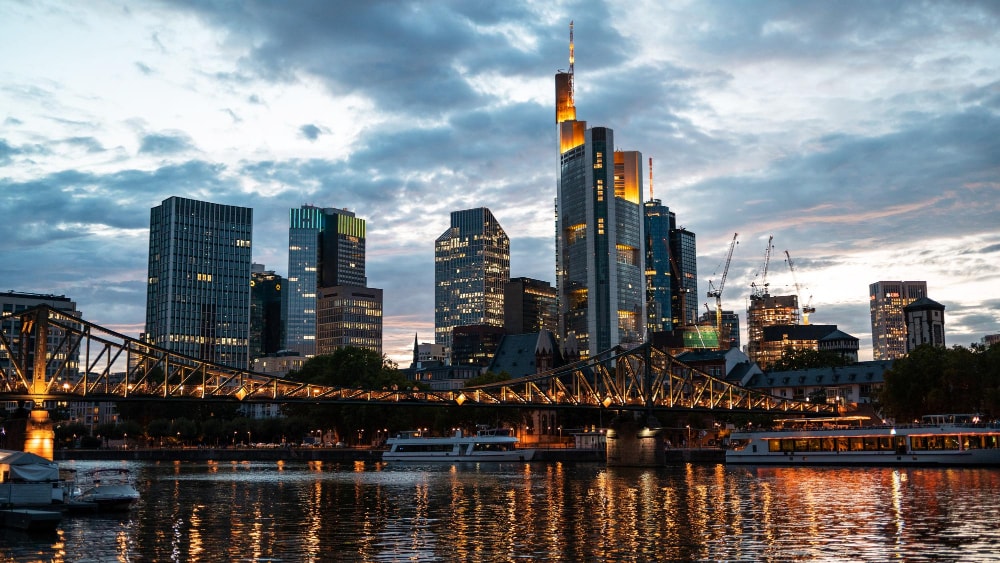
Frankfurt Rhine-Main: Germany’s Prime Business Location
Within Germany, location matters. The Frankfurt Rhine-Main region stands out as one of the most strategic business locations in Europe. Situated at the heart of the EU, the region offers unmatched connectivity through Frankfurt Airport, Europe’s leading aviation hub.
For Korean CEOs managing international teams and cross-border operations, Frankfurt Rhine-Main enables efficient coordination between Asia and Europe. The region also offers access to Germany’s strongest financial, logistics, and technology ecosystems—key enablers for fast and efficient Germany business expansion.
This is where the Innovation Hub RheinMain plays a decisive role. The Hub supports Korean companies with market entry strategy, office solutions, business development, and direct access to regional networks—making Germany not just accessible, but actionable.
European Market Entry Made Practical for Korean CEOs
For Korean CEOs, European market entry is not only about geography, but about execution. Germany offers clear legal frameworks, strong protection for foreign investors, and transparent business practices. These conditions reduce risk and accelerate decision-making at board level.
Germany’s emphasis on quality, engineering excellence, and innovation aligns closely with the values of many Korean companies, especially in sectors such as manufacturing, automotive, electronics, AI, and advanced technology. This cultural and economic alignment makes Germany a natural fit for Korean-led expansion strategies.
Germany as a Strategic Base for European Growth
Choosing Germany as the entry point allows Korean companies to scale step by step across Europe. From a strong base in Frankfurt Rhine-Main, companies can manage sales, distribution, R&D, and partnerships across the EU with minimal friction.
Germany’s strong regional structure also allows companies to test different markets within one country before expanding further. This reduces uncertainty and supports data-driven expansion decisions—an approach highly valued by CEOs responsible for long-term international growth.
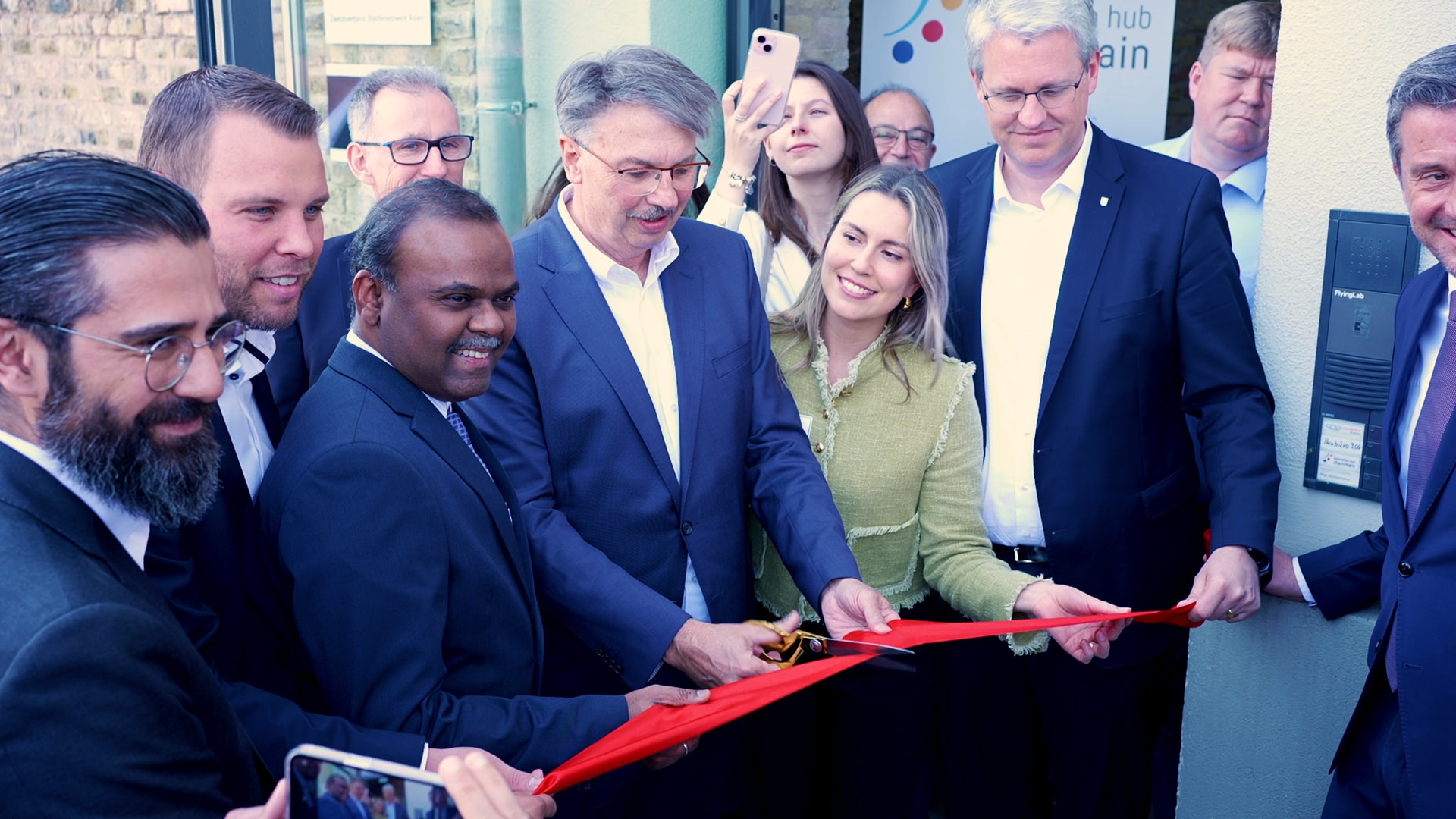
The Role of the Innovation Hub RheinMain in Germany Business Expansion
Successful Germany business expansion requires more than registration and office space. It requires local insight, trusted networks, and on-the-ground support. The Innovation Hub RheinMain acts as a bridge between Korean companies and the German business environment.
From first market entry discussions to long-term growth planning, the Hub supports Korean CEOs with local expertise, strategic partnerships, and access to decision-makers across the region. Its proximity to Frankfurt Airport and the city center makes it an ideal launchpad for European market entry.
Conclusion: Germany Is the Smartest Entry Point into Europe
For Korean companies evaluating Europe expansion, Germany remains the most stable, scalable, and strategically positioned choice. Its strong economy, central location, and EU access make it the preferred entry point for long-term success.
With the Frankfurt Rhine-Main region and the support of the Innovation Hub RheinMain, Korean CEOs can turn Germany business expansion into a structured, low-risk, and high-impact growth strategy—laying the foundation for sustainable success across Europe.

FAQ: Germany as the Entry Point for Korean Companies into Europe
Why is Germany the best entry point into Europe for Korean companies?
Germany offers an ideal combination of market size, economic stability, and central location within the EU. For Korean companies planning Germany business expansion, the country provides direct access to the entire European market, strong legal certainty, and a highly developed industrial ecosystem. Compared to other countries, Germany enables long-term growth, reliable partnerships, and easier scaling across Europe.
How does Germany compare to other European countries for market entry?
When CEOs compare Germany, the UK, France, or the Netherlands for European market entry, Germany stands out due to its EU membership, large domestic market, and strategic location. Unlike the UK, Germany is fully integrated into the EU. Compared to smaller countries, Germany offers broader opportunities for expansion, talent acquisition, and customer access across multiple regions.
Why is the Frankfurt Rhine-Main region especially attractive for Korean companies?
The Frankfurt Rhine-Main region is one of the most important business locations in Europe. It offers excellent international connectivity, proximity to major financial institutions, and fast access to EU markets. For Korean companies, this region supports efficient operations, easy travel for executives, and strong business networks—making it an ideal base for Germany business expansion and wider European growth.
How does the Innovation Hub RheinMain support Korean CEOs entering Germany and Europe?
The Innovation Hub RheinMain provides targeted support for Korean companies entering Germany and the EU. This includes guidance on business location decisions, market entry strategy, and regional networking. For Korean CEOs, the Hub acts as a trusted local partner, helping transform Germany into a successful and sustainable entry point for European market entry and long-term expansion.