
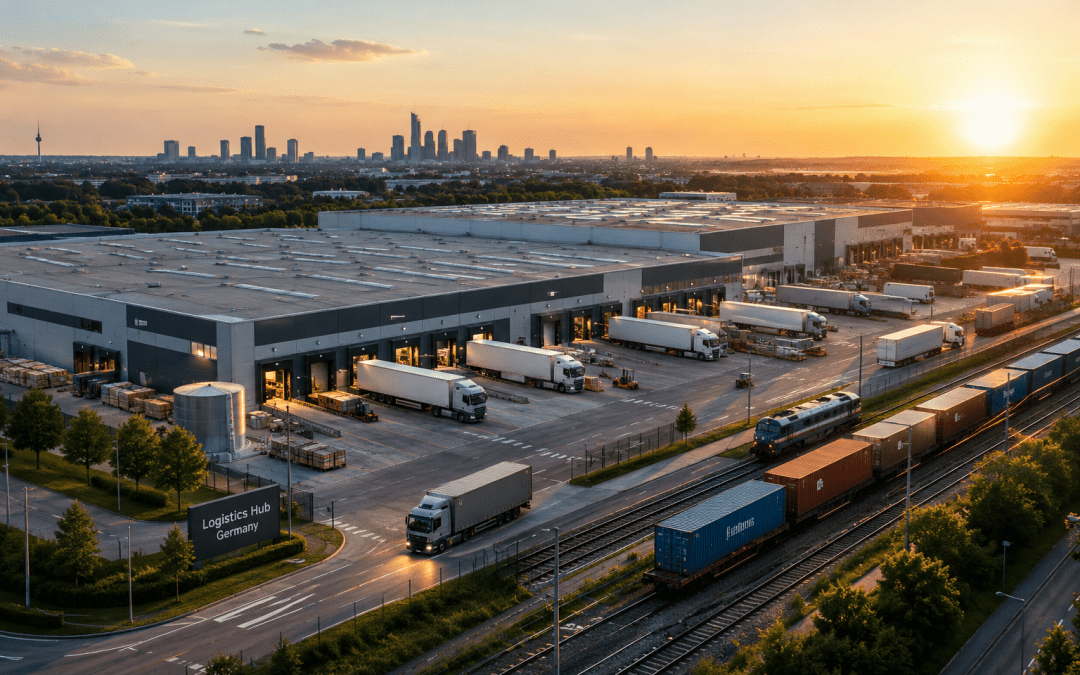
For international companies expanding into Europe, establishing a European distribution center in Germany is often a decisive strategic move. Germany’s central position, world-class infrastructure and industrial strength make it one of the most attractive locations for logistics, warehousing and supply chain management.
Germany is Europe’s logistics leader, offering easy access to over 500 million consumers due to its central location and strong economy.
Whether you operate in e commerce, manufacturing, technology, or industrial production, Germany stands at the heart of European logistics, providing the strategic location and logistics services required to build a resilient and scalable European operation.
Germany’s logistics market is the largest in Europe, employing over 3.3 million people and serving as a hub for both global and local logistics operations.
Why Germany Is a Strategic Location for a European Distribution Center
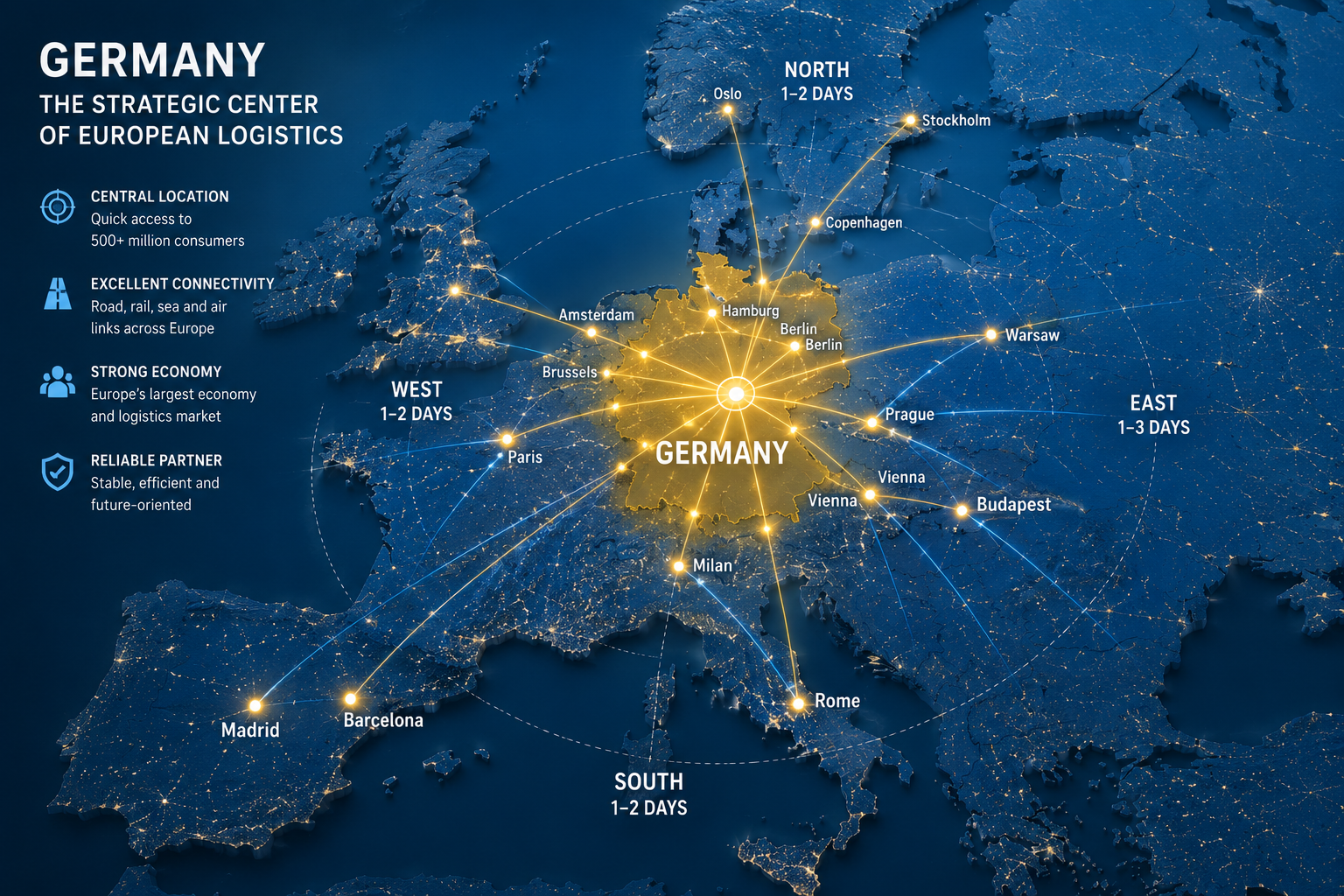
Germany sits at the geographic center of Europe. From here, companies can efficiently deliver goods to Western, Eastern, Northern and Southern Europe within short transportation times. Germany borders nine countries, facilitating direct access to key European markets.
This strategic location offers:
- Access to over 450 million European consumers
- Direct highway connections across Europe
- Advanced rail freight networks
- Major seaports such as Hamburg
- International air cargo hubs
Approximately 70% of Germany’s trade occurs within Europe, mainly with neighboring countries like France and the Netherlands.
For companies seeking a central hub for European supply, Germany provides a clear competitive advantage. Approximately 40% of the EU population lives within 500 kilometers of the Düsseldorf/Ruhr region, representing 45% of the union’s purchasing power.
The country’s infrastructure is designed to support high-volume logistics and international commerce. Its road, rail and air transportation networks are among the most developed in the world. Logistics activities in Germany are concentrated in several „Top Locations“ characterized by high-density infrastructure and specialized industry support.
If your business is considering a european distribution center germany, you can find the right location or resources by leveraging Germany’s extensive logistics network and expert support.
Supply Chain Efficiency and Logistics Services
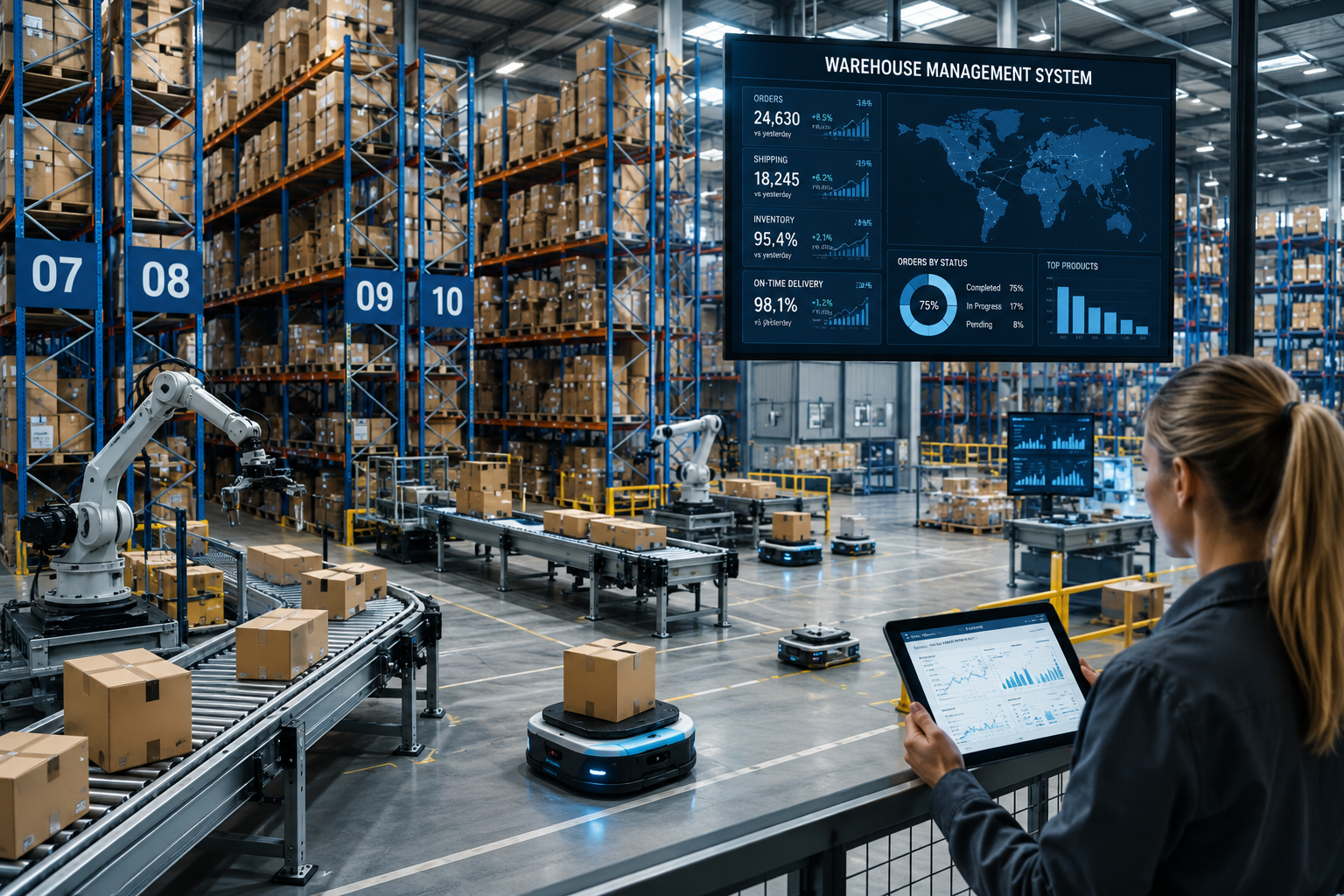
An efficient supply chain is the backbone of international business success. Germany’s logistics ecosystem covers all aspects of warehouse and contract logistics, from space procurement to service provider selection, ensuring that every relevant element of warehouse management is addressed through automation, digital tracking, and innovation.
Leading logistics services providers in Germany offer:
- Integrated warehousing solutions
- Automated handling systems
- Digital data monitoring
- Real-time supply tracking
- Cross-border compliance support
The logistics sector in Germany is worth €327 billion in 2023.
This level of automation and digital integration enables companies to manage inventory, production supply and last-mile delivery with high precision.
Germany is recognized as one of the global leaders in logistics performance. For enterprises seeking operational stability and scalable growth, this reliability is essential. The logistics industry in Germany offers high flexibility in scaling warehousing space during peak seasons.
German distribution centers (GVZ) integrate road, rail, and inland waterways as a backbone of logistics.
Germany as a Logistics Hub for E-Commerce and Industry
The rise of e commerce across Europe has increased demand for centralized warehousing and distribution. Germany’s central position allows online retailers and digital commerce enterprises to deliver efficiently across multiple European markets.
Beyond e commerce, Germany is also a production and industry powerhouse. Automotive suppliers, technology manufacturers and pharmaceutical companies rely on robust logistics systems to support their sectors.
Establishing a European distribution center in Germany enables companies to:
- Optimize transportation costs
- Reduce delivery times
- Strengthen supply chain resilience
- Access major European industry clusters
Being connected to established industrial ecosystems enhances both operational efficiency and market credibility.
Infrastructure and Transportation Advantage
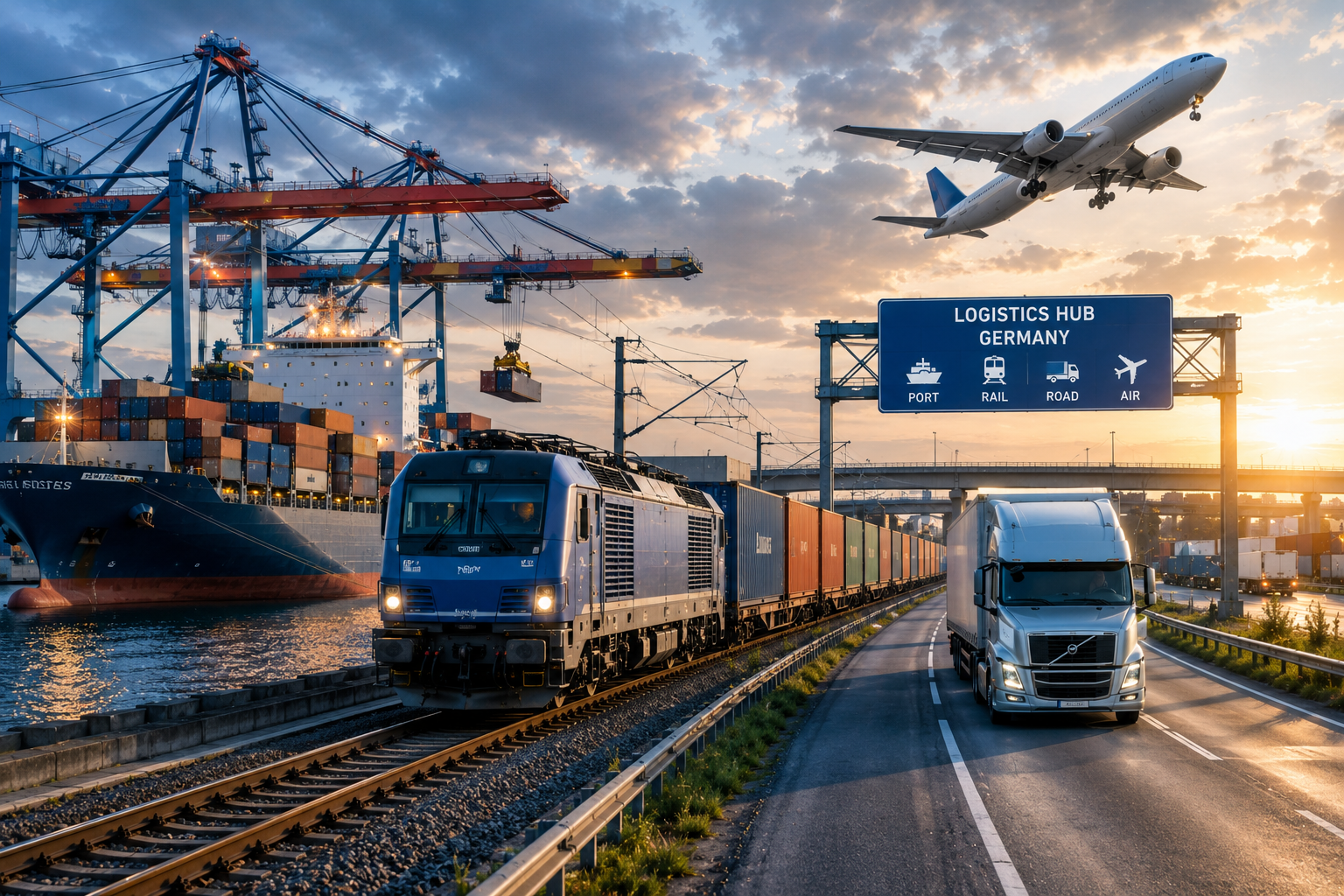
Germany’s infrastructure supports multimodal transportation. Companies benefit from:
- High-capacity highways
- Advanced rail freight corridors
- Major ports such as Hamburg
- International airports
- Digital customs processing
Additionally, Germany is home to Europe’s largest inland port located in Duisburg.
This integrated transportation network ensures goods can be delivered quickly across Europe.
For global companies entering the European market, choosing the right place for a distribution center directly influences operational success. Centralized shipping from Germany reduces transportation expenses compared to cross-border fulfillment from outside the EU.
Germany’s infrastructure is forward-looking, proactively supporting logistics operations with stability, predictability and long-term planning security.
Innovation, Automation and Digital Logistics
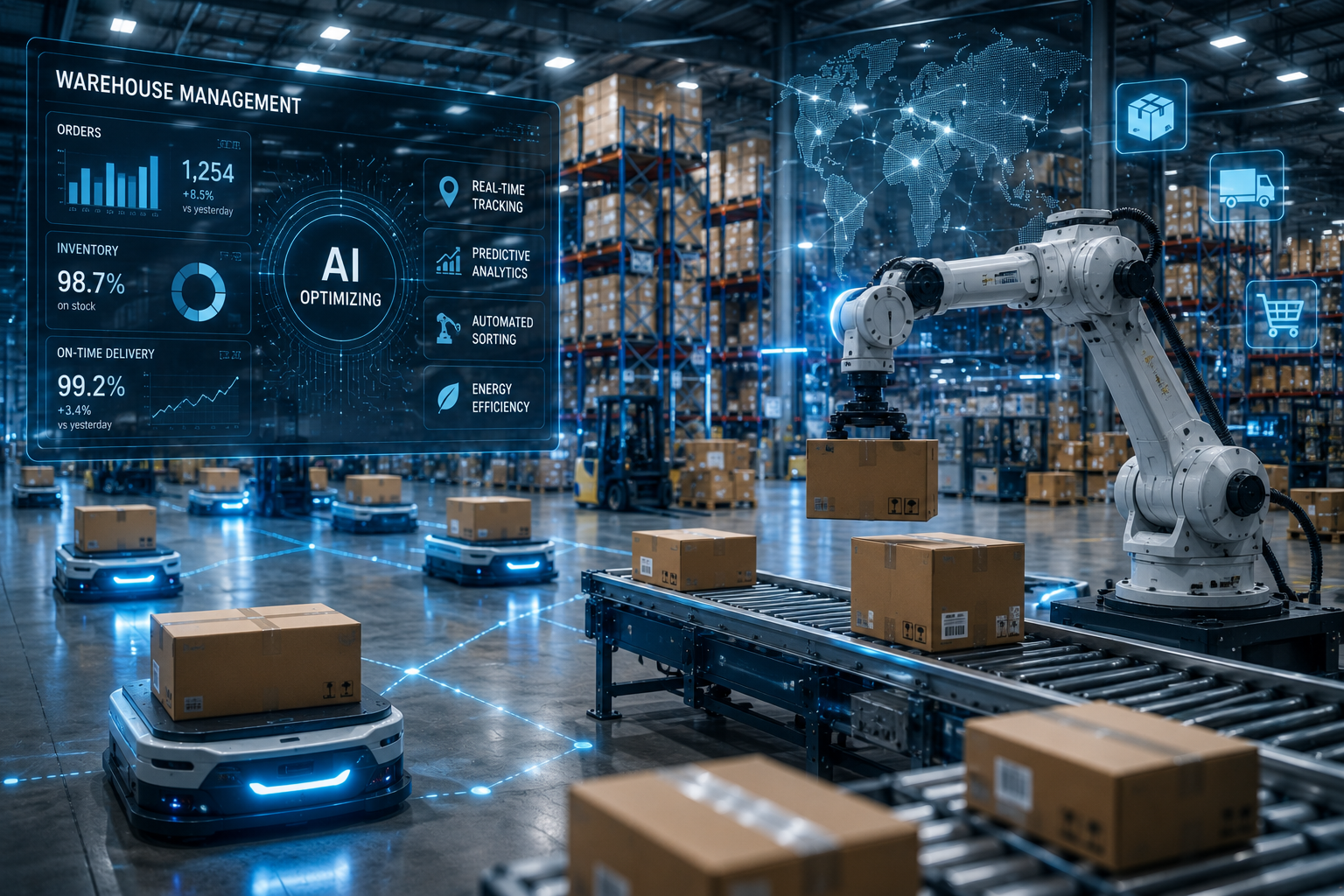
Germany is not only an industrial country; it is also a leader in automation and logistics innovation. Warehousing facilities often integrate robotics, AI-driven sorting systems and real-time data platforms. Insights gained from digitalization in logistics, driven by IoT and AI, provide valuable data for real-time tracking and supply chain optimization, opening up new investment opportunities.
This digital transformation supports:
- Efficient handling of goods
- Reduced human error
- Transparent supply tracking
- Scalable enterprise growth
Automation is key to improving efficiency and reducing costs, with companies innovating robotic solutions for automated sorting, packing, and picking processes within warehouses.
Germany is also a pioneer in sustainable logistics, focusing on investments in hydrogen-powered trucking and energy-efficient warehousing.
For international companies building a European distribution center in Germany, access to innovation and automation technologies strengthens competitiveness by addressing the various things—such as advanced robotics, digital platforms, and sustainable practices—involved in logistics innovation and automation.
Comparing Locations: Frankfurt, Hamburg and Other Hubs
When selecting a location for your European distribution center Germany strategy, several cities stand out.
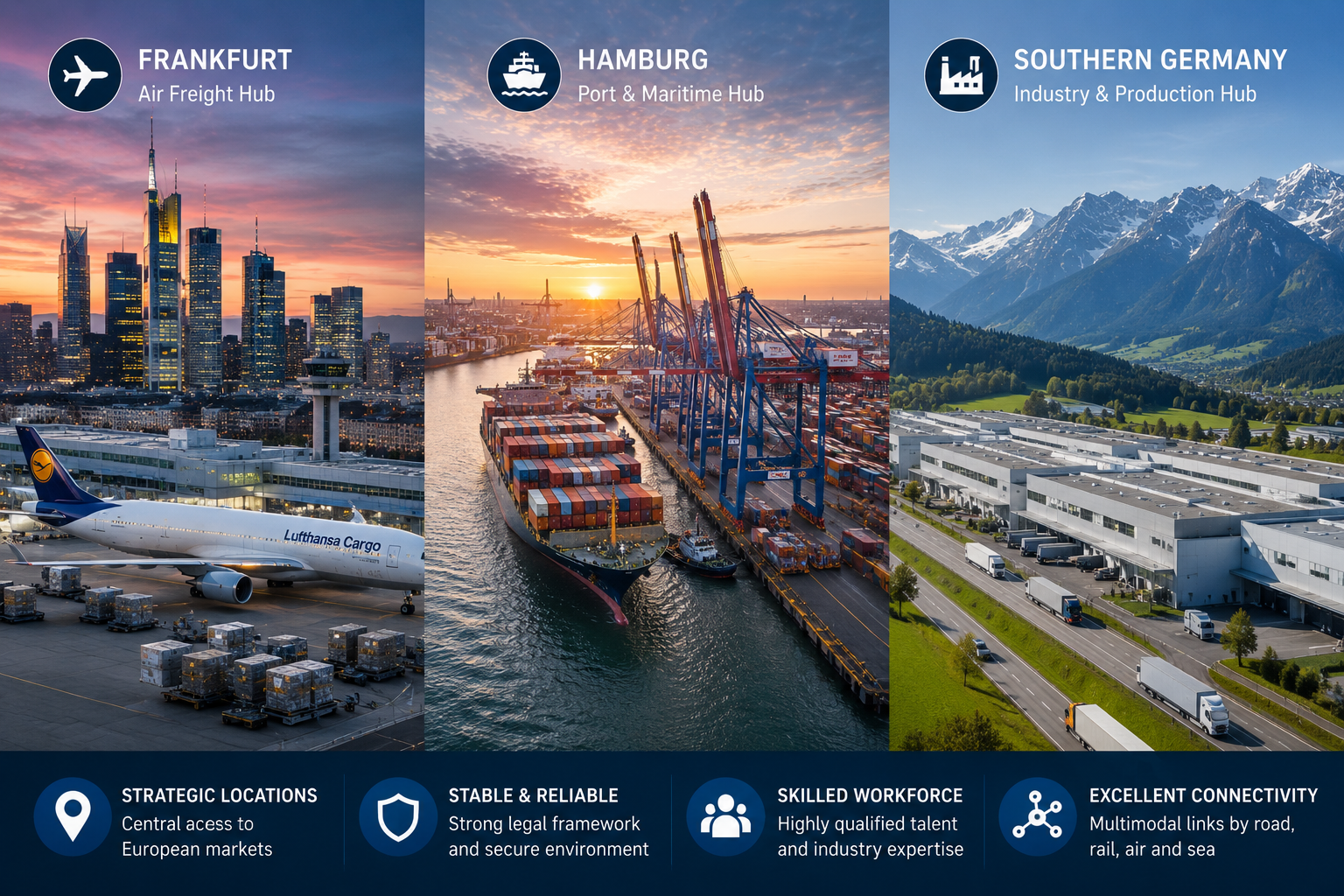
Hamburg provides maritime access and port-based logistics. Frankfurt offers central positioning and proximity to international air freight hubs. Southern Germany connects directly to production and automotive sectors.
The optimal location depends on your industry, supply requirements and business model.
However, what all regions share is:
- Strong legal framework
- Stable political environment
- Highly qualified workforce
- Efficient logistics services
Germany’s federal system ensures consistent regulatory standards across the country.
Why Germany Offers Long-Term Enterprise Success
Establishing a European distribution center in Germany is not only a logistical decision — it is a long-term enterprise strategy.
In recent years, Germany’s logistics industry is facing persistent cost pressures, inconsistent demand, and geopolitical shocks, creating a volatile operating reality for supply chains.
Companies benefit from:
- Access to European markets
- Strong supply chain networks
- Advanced logistics services
- Stable governance and legal protection
- Integration with global commerce systems
The World Bank Logistics Performance Index (LPI) 2023 ranks Germany fourth overall among 139 countries, indicating ongoing challenges in maintaining its logistics performance despite its strong reputation.
Germany’s experience in industrial production and transportation management creates a predictable environment for international business operations. Germany’s logistics market employs over 3.3 million people, highlighting significant workforce challenges and labor shortages that the industry must navigate each year.
The Role of a Strategic Hub Before Full-Scale Warehousing
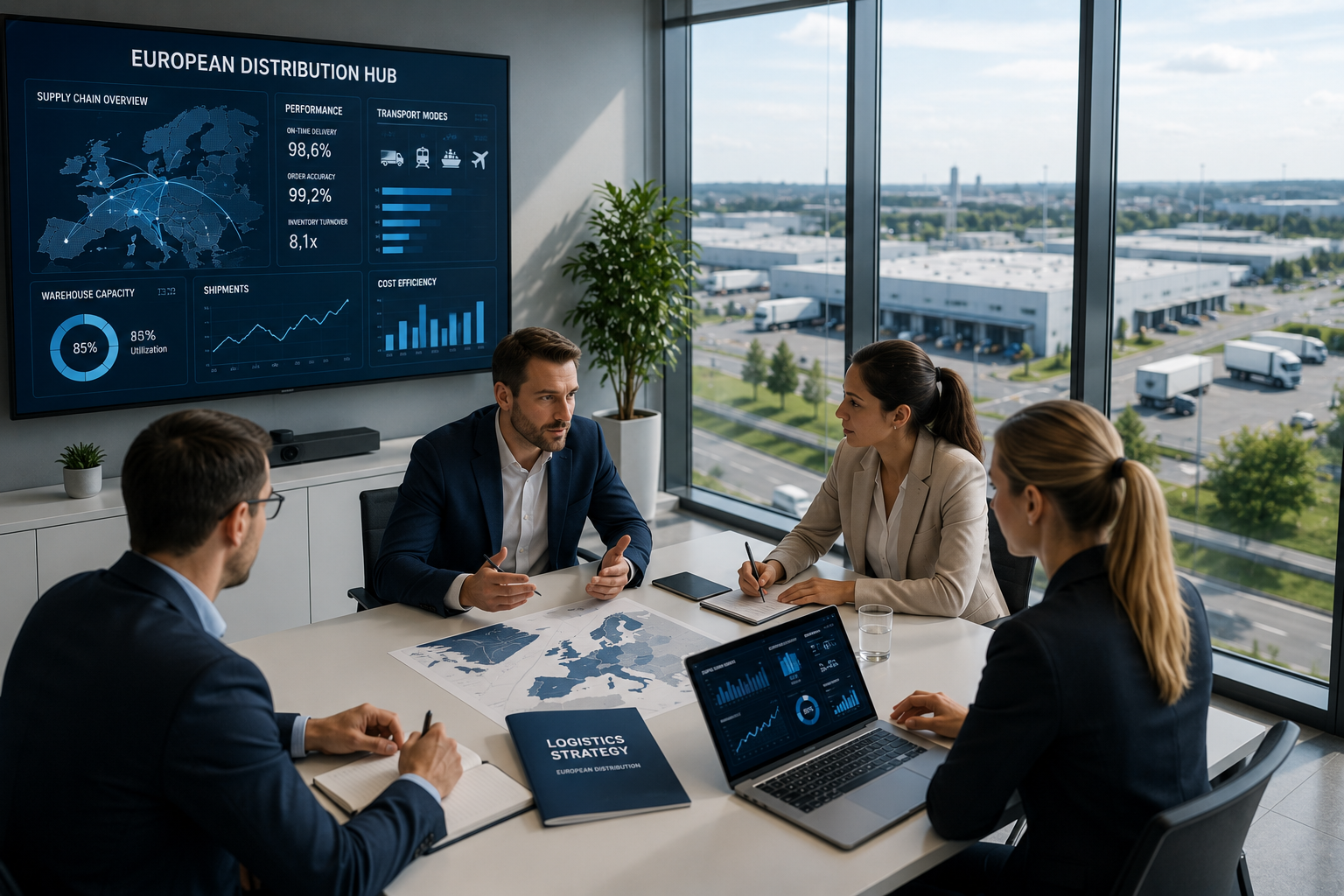
Before investing in large-scale warehousing facilities, many companies establish a smaller operational hub with the addition of complementary services or features that enhance their logistics offerings, such as supplementary delivery options or infrastructure components to support the main logistics hub.
A strategically located office near major logistics corridors allows companies to:
- Coordinate suppliers and logistics providers
- Manage European data and compliance
- Build relationships with service partners
- Prepare for scalable warehouse investment
In planning and operating these hubs, stakeholder needs are addressed by ensuring the facility integrates with local communities, supports business requirements, and contributes to infrastructure development.
This phased approach reduces risk while maintaining operational flexibility.
Conclusion: Germany as the Ideal European Distribution Center Location
For companies planning to expand into Europe, establishing a European distribution center in Germany offers clear advantages.
With its strategic location, advanced infrastructure, innovation leadership and logistics expertise, Germany provides the foundation for sustainable supply chain success.
Whether you operate in e commerce, manufacturing or high-tech industry, choosing Germany as your European hub strengthens your competitive position and ensures efficient access to European markets.
Germany remains one of the most connected and strategically advantageous countries for international logistics and enterprise growth in Europe.
If you need more information or assistance regarding warehouse space or logistics solutions, please do not hesitate to contact us.
FAQ – European Distribution Center in Germany
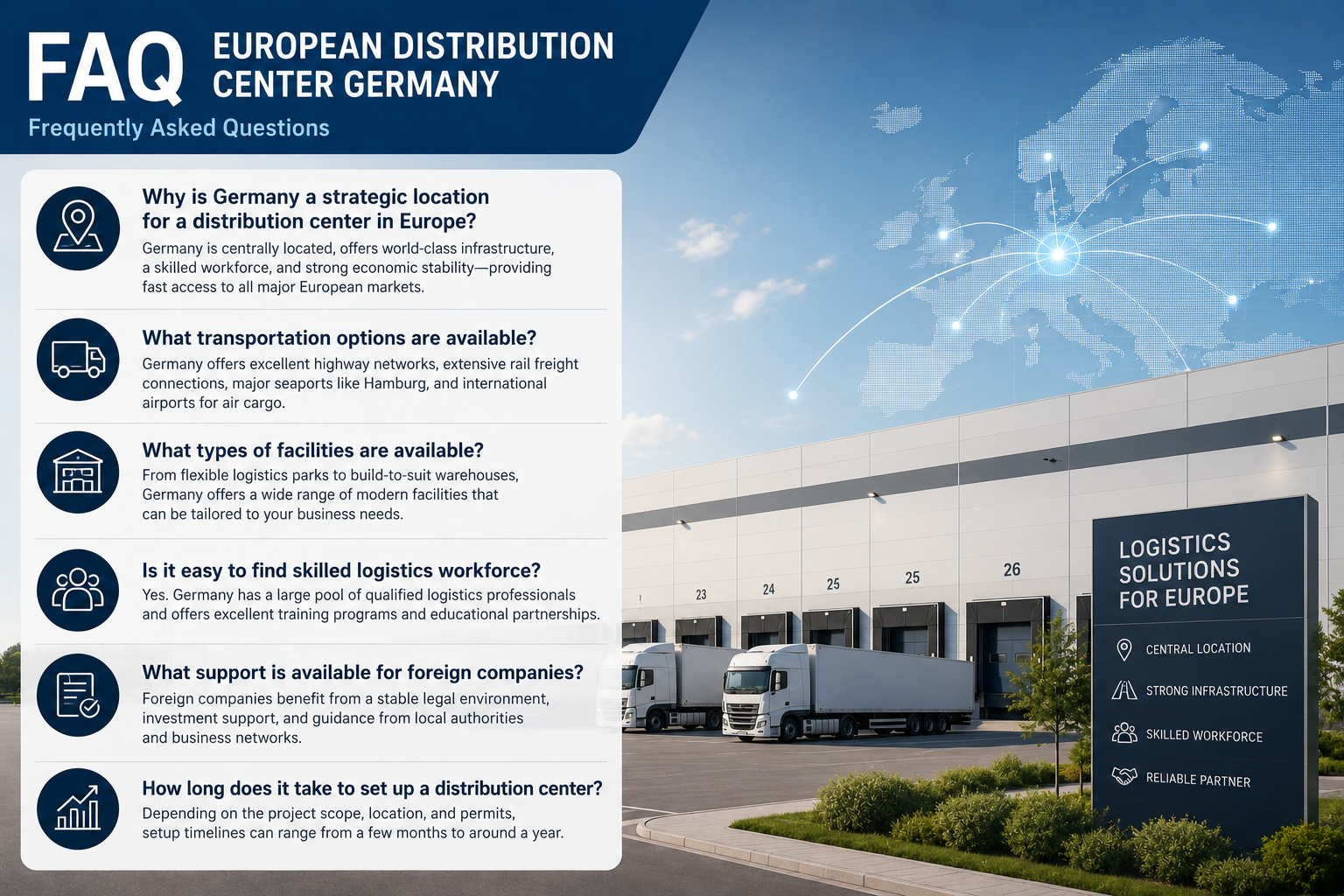
1. Why is Germany a strategic location for a European distribution center?
Germany’s central position in Europe makes it an ideal strategic location for a European distribution center. From Germany, companies can efficiently deliver goods to Western, Eastern, Northern and Southern Europe within short transportation times.
The country’s advanced infrastructure, strong logistics services and stable legal environment provide long-term planning security for international business operations. For many companies, Germany offers a clear competitive advantage in European supply chain management.
Which industries benefit most from a European distribution center in Germany?
A European distribution center Germany strategy is particularly valuable for companies in e commerce, manufacturing, automotive supply, pharmaceuticals and technology sectors.
Germany’s strong industrial base and established production networks make it highly attractive for enterprises that rely on efficient warehousing, automated handling and cross-border logistics. The country supports both large-scale industry and fast-growing digital commerce businesses.
How does Germany support efficient supply chain and logistics operations?
Germany is recognized as one of the global leaders in logistics performance. Companies benefit from integrated logistics services, automated warehousing solutions, digital data systems and multimodal transportation networks.
With strong highway connections, major ports such as Hamburg, international air cargo hubs and advanced rail systems, Germany ensures that goods can be delivered efficiently across Europe. Innovation and automation further strengthen supply chain resilience and operational efficiency.
What should companies consider when choosing a location in Germany?
When selecting a place for a European distribution center in Germany, companies should evaluate transportation access, proximity to customers, availability of skilled workforce and integration with industry clusters.
For example, Hamburg offers strong port-based logistics, while centrally located regions provide faster access across Europe. The right hub depends on your business model, supply requirements and long-term growth strategy.
Is it necessary to build a full warehouse immediately?
Not always. Many companies first establish a smaller operational hub in Germany to coordinate logistics, manage local contacts and test the European market.
This phased approach allows enterprises to build experience, optimize supply chain structures and prepare for scalable warehousing investments. Germany’s connected infrastructure and strong service ecosystem support both gradual expansion and large-scale distribution strategies.