
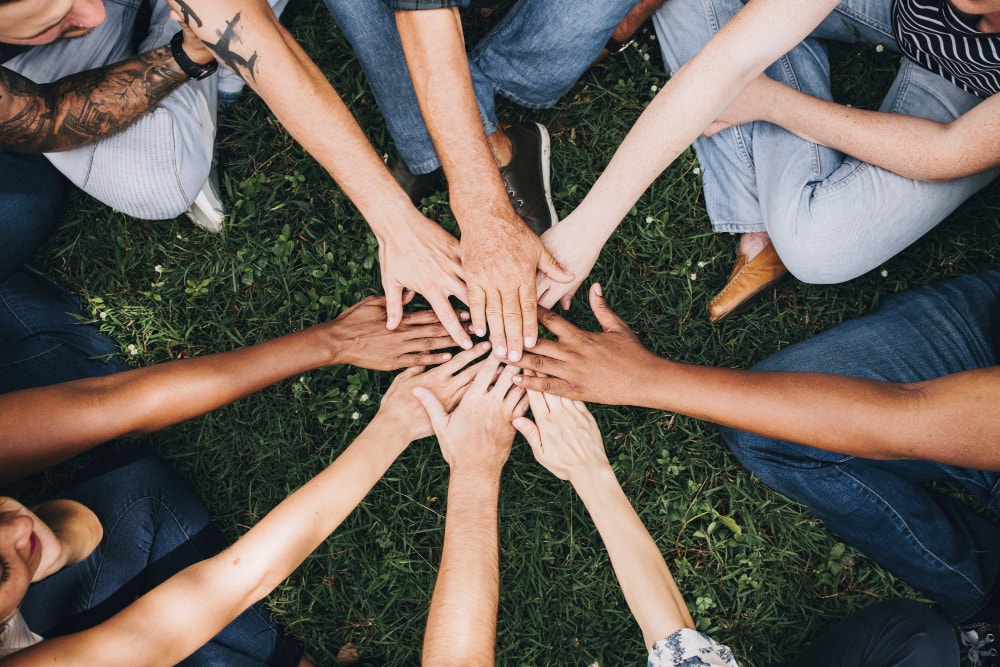
When Indian families move to Germany—particularly to dynamic, growing cities like Raunheim, Kelsterbach, and Rüsselsheim—due to professional opportunities or business expansion, one crucial aspect of settling in is finding meaningful community connections. These cities, located in the heart of the Frankfurt Rhein-Main region, offer not just economic potential but also strong community networks that help newcomers feel at home.
This guide, developed in collaboration with the Innovation Hub RheinMain, shows how joining an association in Raunheim, Kelsterbach or Rüsselsheim can provide emotional grounding, cultural continuity, and vital local support for Indian families adapting to life in Germany.
Introduction to Community Associations
Community associations in these cities have been established to promote international friendship, mutual assistance, and cultural exchange—especially between India and Germany. In areas where the Indian diaspora continues to grow, associations rooted in cities like Raunheim or Rüsselsheim offer newcomers a sense of belonging while easing integration into local society. The official languages of India, such as Hindi or Tamil, are often part of cultural offerings like language classes or community events.
These cities—though smaller than Frankfurt—are rich in diversity, with strong transport links and excellent educational and social services, making them ideal for families, students, and professionals alike.
Why Associations Matter for Indian Families in Raunheim, Kelsterbach, and Rüsselsheim
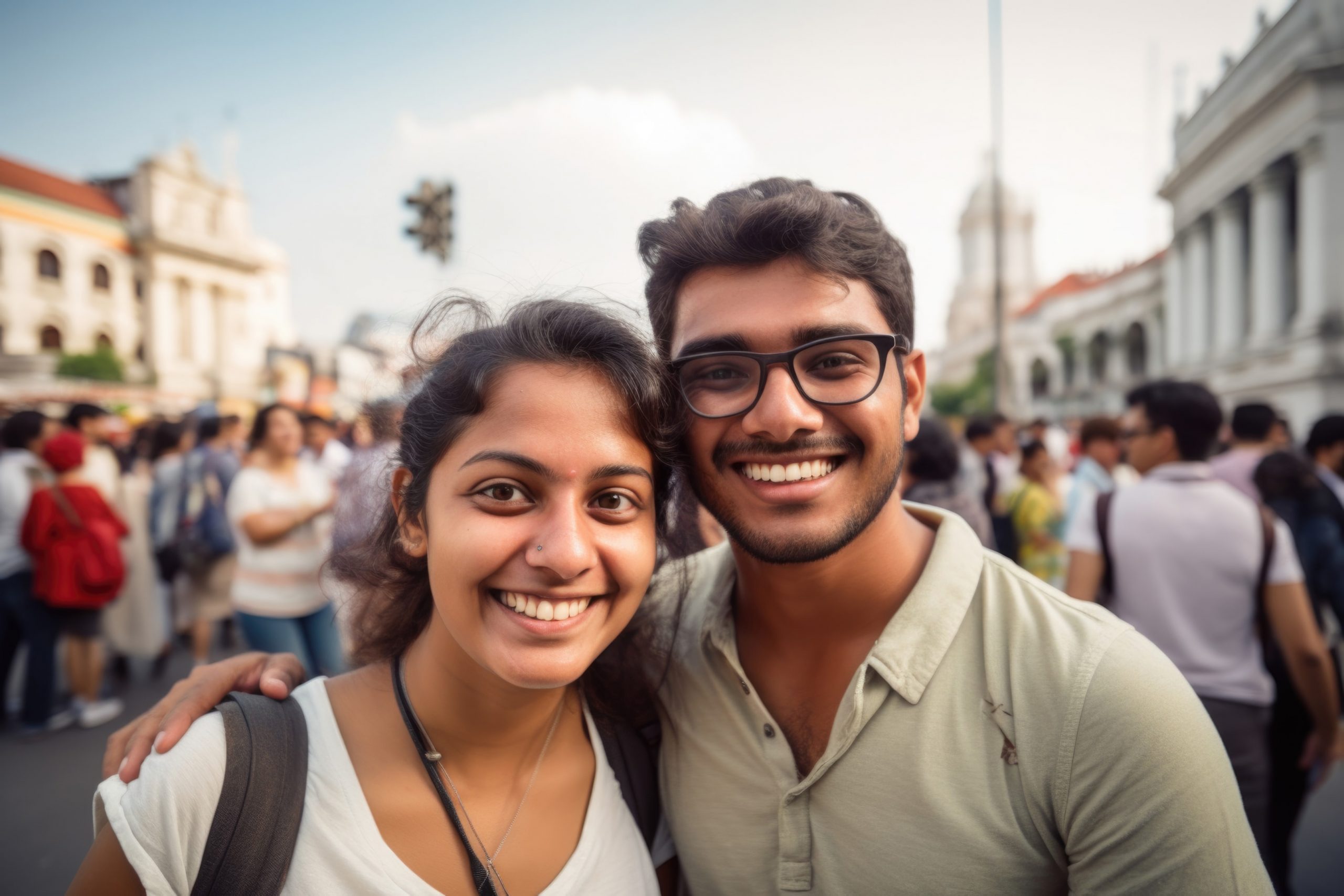
While Frankfurt may be the region’s financial center, the neighboring cities of Raunheim, Kelsterbach, and Rüsselsheim offer Indian families a more community-oriented and accessible environment for settling into life in Germany. Located close to the Frankfurt Airport and well-connected by public transport, these cities have become increasingly attractive for families from India and across the Indo-Gangetic plain, thanks to their welcoming atmosphere and growing international communities.
For families arriving from Western India, Pakistan, Bangladesh, or the northern border regions near Nepal and China, joining a local association in Raunheim, Kelsterbach, or Rüsselsheim provides more than just cultural familiarity. These associations act as key bridges to German society, helping families navigate everyday life while staying rooted in their heritage. They foster the spirit of international friendship, encourage cultural promotion, and provide practical support with language, education, and integration.
Benefits of Joining a Community Association
Community associations in these cities are deeply rooted in a tradition of collaboration and shared identity. For Indian families, they offer access to a network of like-minded individuals, the opportunity to preserve cultural heritage, and support through every stage of the relocation process. Associations often organize celebrations for Indian festivals, language workshops, parenting seminars, and orientation programs for newcomers.
For instance, Indian associations in the region may offer language classes in Hindi, Tamil, or Marathi to help younger generations maintain their linguistic and cultural ties. Events like Diwali gatherings, Independence Day commemorations, and traditional art exhibitions are commonly hosted and often open to the wider public—promoting both cultural pride and community integration.
These associations serve not only as a social network but also as a platform for education and awareness. Many offer lectures or storytelling events that touch on India’s complex history, including British rule, the independence movement, and the evolution of modern Bharat—giving families the chance to engage with deeper cultural narratives in their new environment.

Building Community Through Associations in Frankfurt
Raunheim, Kelsterbach, and Rüsselsheim are increasingly international, with diverse populations and a vibrant cultural mix. Associations in these cities are instrumental in building meaningful connections between Indian newcomers and the local German population. They contribute to social inclusion, organize cultural projects, and often collaborate with municipal institutions, schools, and community centers.
Whether you’ve relocated from Mumbai, Ahmedabad, or Bangalore, joining a community association in Raunheim, Kelsterbach, or Rüsselsheim is a powerful way to establish roots. These groups offer guidance on local services, provide access to childcare and education resources, and create spaces for Indian families to celebrate their traditions while adapting to German society.
Cultural Associations: Connecting India and Germany Through Heritage
For Indian citizens living in Raunheim, Kelsterbach, and Rüsselsheim, cultural associations are a meaningful way to stay connected to their roots while embracing a new life in Germany. These towns host a growing number of Indian cultural organizations that bridge tradition and modern life, offering vibrant spaces for community interaction. Festivals such as Diwali, Holi, and Independence Day are celebrated with enthusiasm and inclusivity—often in local community centers, libraries, or cultural halls that collaborate with municipal authorities and local sponsors.
These associations also organize music and dance workshops, storytelling sessions, and art exhibitions to showcase India’s rich artistic heritage. Language classes in Hindi, Tamil, Marathi, or Bengali are frequently offered to help the younger generation stay connected with their heritage. Such programs not only serve Indian families but also foster cross-cultural understanding among the diverse communities that live in these three cities.
Student and Youth Networks: Supporting the New Generation
Although Raunheim, Kelsterbach, and Rüsselsheim may not be academic centers like larger cities, they are ideally located near several major universities and research hubs, including those in nearby Frankfurt, Mainz, and Wiesbaden. As such, Indian students living in these towns can access a wide range of educational and professional opportunities while enjoying quieter, family-friendly neighborhoods.
Student networks—both local and affiliated with regional universities—offer support through orientation sessions, language tutoring, and career development programs. These associations often collaborate with university presses, research centers, and local youth organizations, helping young people form lasting connections and navigate their educational journey with confidence.
Women and Family Associations: Empowerment and Belonging
For Indian women and families settling in these cities, a number of associations exist that focus on empowerment, community support, and personal development. These women-led organizations offer workshops on career planning, mental wellness, parenting in a new culture, and language skills—often in partnership with local government programs and community centers.
Whether the focus is on building a career, developing leadership skills, or simply finding social connections, these associations provide safe and empowering spaces where Indian women can grow both personally and professionally. Many of these groups also promote initiatives for intercultural dialogue, making them a valuable part of the region’s inclusive social landscape.As part of the greater FrankfurtRhineMain region, Raunheim, Kelsterbach, and Rüsselsheim are well-connected to Germany’s business and industrial landscape. Professionals and entrepreneurs from India will find ample opportunity to engage in business and professional associations that facilitate networking, mentorship, and bilateral collaboration.
These networks are particularly valuable for those working in IT, engineering, automotive industries, or startup ecosystems that have a strong presence in the area—especially in Rüsselsheim, home to major players in the mobility and manufacturing sectors. Events such as business forums, legal workshops, and professional development seminars help Indian professionals expand their networks and contribute to Germany–India economic relations.
Sports and Wellness Clubs: Healthy Lifestyles and Cultural Exchange
For families looking to stay active and healthy, local sports and wellness clubs in Raunheim, Kelsterbach, and Rüsselsheim offer everything from cricket, badminton, and yoga, to football, table tennis, and running groups. These clubs are open to all ages and levels, providing an excellent way to build friendships and foster community integration.
Weekend tournaments, wellness workshops, and family activity days are often hosted in local parks or sports halls, with participation from both Indian families and residents from other backgrounds. These activities encourage a healthy lifestyle while promoting cultural exchange and inclusion—core values shared by many Indian associations in the area.
Cultural Diversity
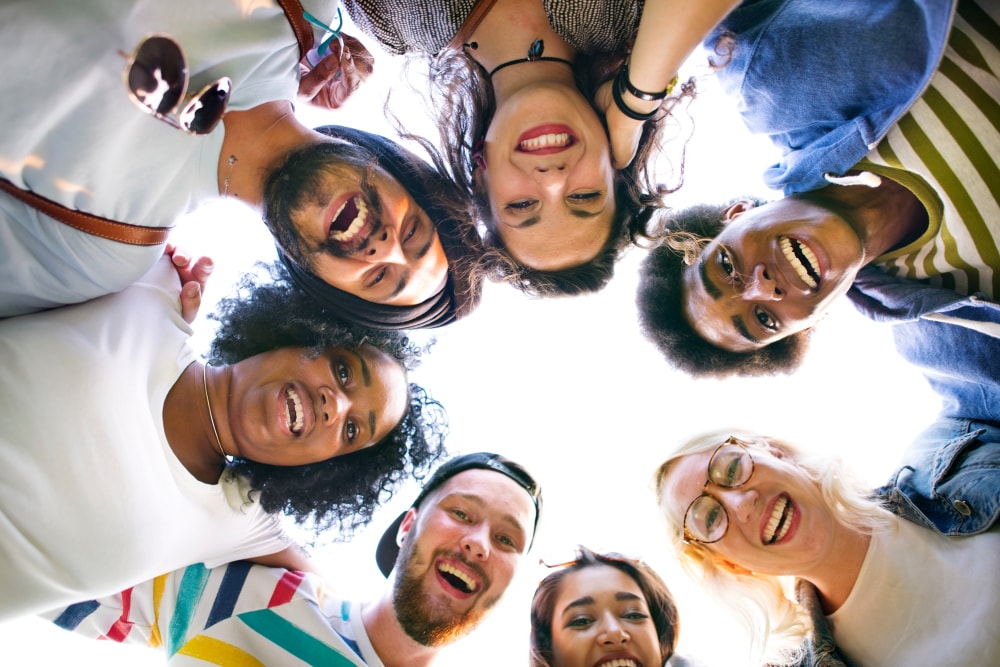
Situated in the heart of western Germany and part of the thriving FrankfurtRhineMain region, Raunheim, Kelsterbach, and Rüsselsheim are small yet vibrant cities that reflect the growing multicultural identity of the area. These neighboring towns have become home to a diverse population, including a steadily expanding Indian community, and are known for their openness, integration-friendly environment, and strong sense of local belonging.
Walking through these cities, one can hear a blend of languages—German, English, Hindi, Tamil, or Urdu—spoken in parks, schools, and markets. From local street festivals and community gatherings to intercultural events hosted in neighborhood halls and cultural centers, the spirit of diversity is embedded in everyday life. Annual celebrations such as Diwali, Eid, or Christmas markets are embraced with the same enthusiasm, demonstrating the inclusive mindset of these towns.
Indian families have brought a rich layer of culture to the region—reflected in grocery stores, spice shops, restaurants, and cultural groups that serve both the local Indian diaspora and the broader community. Especially in Rüsselsheim, where industry and innovation thrive side by side with cultural heritage, there is a growing number of initiatives supporting cross-cultural engagement, including film nights, literature evenings, and cooking events.
Education in Raunheim, Kelsterbach, and Rüsselsheim is also increasingly international. Local kindergartens and schools are well-attuned to multilingual and multicultural student populations, offering language support, intercultural learning programs, and close ties to international schools in nearby Frankfurt. While German remains the official language, the region’s educational and cultural openness ensures that children from all backgrounds feel welcomed and supported.
These three cities may be smaller in size compared to Frankfurt, but they offer a big-hearted, globally-minded environment that values diversity not as a challenge—but as a strength for future generations.
Historical Context of Community Associations
The historical context of community associations in India and Germany dates back to the time of British rule in India. During this period, there was a significant amount of cultural exchange and interaction between the two countries, with many Indians traveling to Germany for education and work. After India gained independence in August 1947, the country became a republic, with a prime minister as its head of government. Since then, community associations have played a vital role in promoting cultural exchange and international friendship between India and Germany.
The establishment of community associations like Kerala Samajam Frankfurt and FISA has helped to foster a sense of community among Indians living in Germany, while also promoting the culture and tradition of India. The Indus civilization, which flourished in the western part of the Indian subcontinent, is an example of the rich cultural heritage of India, which is often showcased in community associations.

Indian Associations with a Global Outlook
Some associations are part of larger networks with connections across Europe and Asia. They engage in intercultural events, panel discussions on development and technology, and cultural exchange initiatives. These groups often collaborate with local institutions such as universities, museums, or city cultural offices to celebrate India’s rich heritage—from the ancient civilizations of the Indus Valley to the modern growth of Bharat as a republic. Archaeological evidence highlights the historical significance of India’s cultural heritage, indicating a highly sophisticated urbanized culture in the Indus civilization from around 2600 to 2000 BCE.
These associations also commemorate key dates such as August 15 (Independence Day) and January 26 (Republic Day), strengthening the bond between India and the rest of the world.

Where to Find the Right Association
Indian families new to Frankfurt can find relevant associations through several sources:
- Official city websites often list registered community groups. Many of these associations were founded in the early 2000s to foster cultural exchanges and support social projects.
- The Innovation Hub RheinMain offers personalized support in finding cultural and social groups that align with your family’s needs.
- University press, local libraries, and educational institutions frequently promote events and services by these associations.
- Community centers in areas like Sachsenhausen, Bockenheim, and Nordend are known for hosting international cultural events.
- Social media groups and platforms such as Meetup and Facebook are active in promoting Indian-German community initiatives.
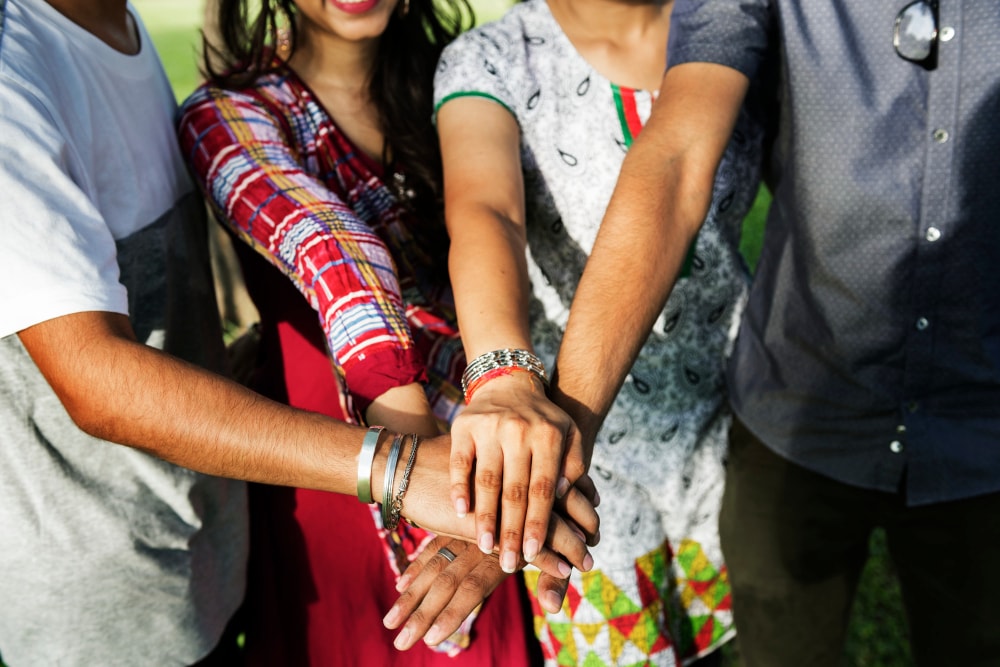
Conclusion: Connecting India and Germany through Community Life
Through the right association, Indian families can feel right at home. These associations bring together people from different walks of life—children, students, professionals, and parents—and help them thrive in a modern, international city built on values of diversity and cooperation.
In a populous country like India, which is the world’s most populous country as of 2023 according to the United Nations, community is everything. Whether you’re seeking cultural connection, professional development, or just new friendships, the associations are here to welcome you with open arms.

FAQ – Finding the Right Association for Indian Families
1. Are there associations that reflect the culture and traditions of Western India?
Yes, there are several associations that actively represent the vibrant cultural heritage of Western India, including communities from Gujarat, Maharashtra, and Rajasthan. These associations celebrate regional festivals like Navratri, Ganesh Chaturthi, and Makar Sankranti, and often organize language classes, music performances, and culinary events that help preserve and promote the rich traditions of the region. For families from Western India, these associations provide a familiar cultural environment and a strong sense of belonging in a new country.
2. How do cultural associations contribute to international friendship?
Cultural associations play an essential role in fostering international friendship by bringing together people from different backgrounds through shared celebrations, education, and dialogue. Indian associations often host open events where local citizens, international residents, and newcomers from across the world can experience Indian music, art, and cuisine. These interactions promote mutual respect, cultural understanding, and long-lasting connections that go beyond nationality or religion—building bridges between India, Germany, and the global community.
3. Do associations offer historical programs or talks related to India’s past, such as British rule?
Yes, some well-established Indian cultural and academic associations collaborate with historians, educators, and institutions to host lectures, film screenings, and discussions on important historical topics—such as the impact of British rule on India’s development, the independence movement, and the legacy of colonialism. These events are often part of larger programs promoting cross-cultural education and awareness, allowing Indian families and others interested in the history of the Indian subcontinent to reflect, learn, and engage in thoughtful conversations.
4. How can associations help Indian families from the Indo-Gangetic Plain settle in Raunheim, Kelsterbach or Rüsselsheim?
For Indian families originating from the Indo-Gangetic Plain—which spans culturally diverse states like Uttar Pradesh, Bihar, and parts of Bengal—joining an association can offer a sense of continuity in language, tradition, and values. These associations often provide services like language support in Hindi or Bengali, traditional religious and cultural events, and networking for both children and adults. This helps new arrivals adjust to urban life in Germany, while staying rooted in the cultural patterns of one of India’s most historically and agriculturally significant regions.
5. Why are associations important for promoting cultural identity abroad?
Associations are more than just social clubs—they are vital platforms for preserving cultural identity, promoting education, and building lasting communities. For many Indian families, especially those with roots in regions like Western India or the Indo-Gangetic Plain, these groups keep alive traditions that span centuries, from classical arts and spiritual teachings to shared memories of British rule and the evolution of modern India. At the same time, they promote international friendship by encouraging participation from people of all backgrounds, making Kelsterbach, Raunheim and Rüsselsheim a true melting pot of culture and connection.