

Germany has become one of the most attractive destinations in Europe for asian tech companies looking to expand globally. With its stable economy, strong industrial base, and cutting-edge technology infrastructure, the country offers ideal conditions for foreign investment and greenfield investments in various sectors such as IT, pharma, cleantech, e-mobility, and mechanical engineering.
The technology industry in particular benefits from Germany’s adherence to industry benchmarks and sector-specific data, making it a preferred location for innovation-driven companies. As of August, the latest data shows a significant increase in foreign direct investment from Asian tech companies, underlining the recency and relevance of these trends.
For businesses from China, Japan, Asia, India and the Middle East, Germany stands out as a gateway to the European market. In the first half of the year, investment activity from these regions has shown notable momentum, reflecting ongoing interest and expansion.
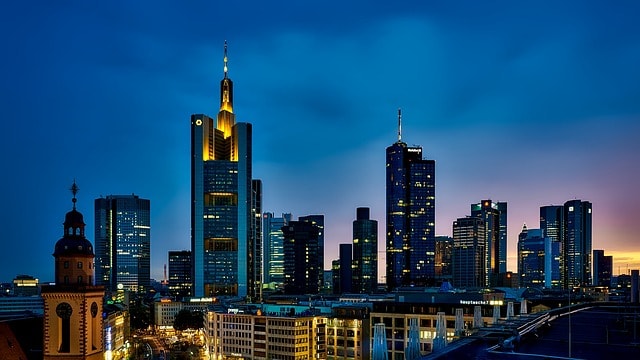
Among all regions, the Frankfurt Rhein-Main area is particularly well-positioned as a leading business location in Germany, combining global connectivity, a highly skilled workforce, and a vibrant international community.
Introduction to Germany as a Business Location
Germany is considered one of the world’s most attractive business locations, thanks to its unique blend of innovation, productivity, and a highly skilled workforce. Situated in the heart of Europe, Germany’s central location makes it a strategic gateway for companies aiming to access both Western and Eastern European markets with ease.
The country is governed by a stable and transparent legal framework, providing a secure environment for foreign investment and international commerce. Germany’s reputation as a leader in technology and advanced manufacturing is well established, with a number of industries ranging from automotive and mechanical engineering to chemicals and renewable energy calling the region home.
This central location, combined with a robust infrastructure and a strong emphasis on research and development, makes Germany an ideal base for companies looking to expand their trade and technology operations across Europe and beyond.
Economic Overview of Germany
Germany stands as the world’s fourth-largest economy, renowned for its highly developed and diversified industrial base. The country is a powerhouse in global trade, consistently ranking among the largest exporters worldwide. Its economic landscape is shaped by a number of leading sectors, including manufacturing, trade, and services, and is home to internationally recognized companies such as Siemens, Volkswagen, and BMW.
Germany’s commitment to innovation and research and development has attracted significant foreign investment, with a growing number of global companies including Samsung and Intel choosing Germany as a prime location for their European operations. The country’s skilled workforce, economic stability, and competitive environment are further enhanced by a range of grants and incentives designed to support foreign direct investment.
As a result, Germany continues to be a top destination for companies seeking to establish a strong presence in Europe’s largest market.
Frankfurt Rhein-Main: Germany’s Central Business Hub
The Frankfurt business hub represents the heart of the western part of Germany and plays a crucial role in the country’s economic strength. Home to the European Central Bank, numerous financial institutions, and hundreds of foreign investors, Frankfurt connects businesses from across the world through its robust infrastructure for business, excellent transport network, and cosmopolitan lifestyle.
In this context, the need for companies to leverage Frankfurt’s advanced resources and infrastructure is essential to succeed in the German market. Time efficiency is also critical, as the region’s logistics and connectivity enable rapid access to markets and support timely business operations.
For asian tech companies, Frankfurt offers a unique combination of advantages: direct access to Europe’s largest airport, proximity to Germany’s major banks, insurance companies, and law firms, as well as a diverse pool of multilingual employees. The region is home to several innovation clusters and tech clusters in Germany, supporting startups and established companies alike in fields such as finance, data services, and e-commerce. Additionally, expert teams in Frankfurt are available to assist with business setup and innovation, ensuring that companies benefit from specialized knowledge and experience.
Why invest in Frankfurt?
There are several compelling reasons why Frankfurt is an attractive investment destination: it is a city that thrives on innovation, commerce, and foreign direct investment. The government and regional authorities provide extensive support through investment grants, startup assistance, and access to loans. Moreover, equal treatment of foreigners in business regulations ensures a transparent and welcoming environment for foreign investors from Asia, France, the Netherlands, and beyond.

The Rhein-Main Region: A Powerhouse for Technology and Innovation
Beyond Frankfurt, the Rhein-Main region investment landscape includes dynamic cities like Darmstadt, Wiesbaden, Mainz, and Rüsselsheim. Together, these cities form one of the most innovative and well-connected regions in Europe. The region’s infrastructure is among the most advanced in the country, with efficient logistics, access to skilled employees, and direct links to the German Chamber of Commerce and international associations. The different German states in the region play a crucial role in supporting investment and innovation, each offering unique advantages and regulatory frameworks for foreign direct investment.
The Rhein-Main region is also home to several free trade zones and industrial parks, ideal for companies planning greenfield investments or the relocation of headquarters. The region has seen numerous expansions and relocations by Asian tech companies, contributing to its dynamic growth and reinforcing its position as a leading destination for FDI activities. High-speed rail, motorways, and digital infrastructure connect the western and eastern parts of Germany efficiently, ensuring that businesses can serve clients across the country and the world.
For asian tech companies, the region’s focus on sustainability, healthcare, data, and e mobility aligns with the priorities of modern industries from Asia. With major universities and research institutes located nearby, companies benefit from a constant flow of young talent, technical knowledge, and innovation potential.
Opportunities Beyond Frankfurt: Expanding Across Germany
While Frankfurt and the Rhein-Main region are at the core of Germany’s economic network, other cities also offer strong opportunities for foreign investment. The southern regions such as Munich and Stuttgart attract companies in automotive, AI, and robotics, while the eastern part of the country including Leipzig, Dresden, and Berlin focuses on technology development and digital industries.
Each location provides a slightly different advantage: Munich for finance and engineering, Berlin for startups and e-commerce, and Hamburg for trade and exports. The government continues to promote Germany investment zones that support innovation through development grants and business services, making it easier for foreign investors to establish their presence.
Foreign direct investment from Asia has already transformed these regions. Many Asian tech companies are starting their European operations in these cities, using them as a launchpad before expanding further across the continent. Companies from Japan, China, India, and Southeast Asia have successfully founded subsidiaries, employ local talent, and serve clients across the European market. The equal treatment policy for foreigners and the transparent commerce framework ensure that every company whether in finance, retail, pharma, or cleantech can thrive.
Setting up a Business in Germany
Establishing a company in Germany is a well-structured process, designed to ensure transparency and compliance while supporting international business growth. Companies can choose from a number of legal forms, such as the GmbH (limited liability company) or AG (publicly traded company), depending on their needs and business goals.
Registration with the commercial register and tax authorities is required, along with obtaining any necessary licenses and permits to operate within the country’s legal framework. While there are some restrictions and regulations to navigate, these are in place to maintain Germany’s high standards for business operations.
Many companies find it advantageous to set up in one of Germany’s numerous industrial or technology parks, which offer access to funding, networking, and support services. Additionally, free trade zones across the country provide attractive incentives, such as tax exemptions and streamlined administrative processes, making Germany an appealing location for companies looking to enter the European market and expand their trade and technology activities.
Frankfurt’s Global Connectivity and International Community
No other city in Germany offers the same level of global access as Frankfurt. Located in the western part of the country, it’s one of the world’s most connected financial and transportation hubs. Frankfurt Airport links directly to Asia, the Middle East, and North America, allowing executives and employees to travel easily between headquarters and international offices.
The business environment is supported by strong institutions such as the German Chamber of Commerce, international law firms, and financial institutions that assist foreign investors with company registration, grants, and investment strategy. Foreigners relocating to the region also benefit from multilingual services, healthcare, and integration programs.
The city’s international atmosphere is further enhanced by a growing community of asian companies in Frankfurt, particularly from China, Japan, and India. Many of these companies are established leaders in technology, finance, or commerce, and have made Frankfurt their European headquarters due to its strategic location and access to the European****market. Leading Asian tech companies such as Grab, known for its comprehensive super-app platform and ecosystem, also demonstrate the influence and presence of innovative Asian businesses in the region.

Tech Startup Ecosystem in Germany
Germany boasts a dynamic tech startup ecosystem, anchored by major hubs like Berlin, Munich, and Frankfurt. The country is home to a growing number of innovative companies, including global names such as SoundCloud, Zalando, and Foodpanda, and offers a robust infrastructure of incubators, accelerators, and coworking spaces.
The German tech scene thrives on access to funding, a highly skilled workforce, and a strong culture of innovation and research. Programs like the German Accelerator and the German Tech Entrepreneurship Program provide vital support, offering funding, mentorship, and training to startups at every stage. The ecosystem is truly international, attracting companies from around the world including Japan, China, and the US who are drawn to Germany’s reputation for quality, its central location, and the opportunities available in cities like Frankfurt.
This vibrant environment makes Germany a leading destination for tech companies looking to make their mark on the global stage.
Why the Frankfurt Rhein-Main Region is Ideal for Asian Tech Companies
For asian tech companies exploring where to start a tech company in Germany, the Frankfurt Rhein-Main region stands out as the perfect combination of opportunity, innovation, and connectivity. Its strong infrastructure for business, access to financial institutions, and proximity to government authorities make it a trusted location for foreign direct investment.
The region offers everything a growing company needs: advanced technology ecosystems, highly skilled employees, support for startups, and international accessibility. AI models and apps developed by Asian tech companies in the region have been widely downloaded, demonstrating their success and strong market impact. It also provides a balanced lifestyle, excellent services, and modern facilities for families relocating from Asia.
As foreign investors continue to invest in the region, the Rhein-Main area is becoming one of the best cities in Germany for tech startups not only for its finance and innovation sectors but also for its strong integration of commerce, retail, and e mobility industries.
Conclusion
Germany remains one of the world’s most stable and promising destinations for foreign investment, and the Frankfurt Rhein-Main region is at its heart. With a combination of modern infrastructure, global trade access, and a welcoming environment for foreigners, it provides asian tech companies with all the resources needed to grow, innovate, and succeed.
For businesses from Asia, Japan, China, or Southeast Asia’s expanding economies, the Frankfurt business hub represents not just a place to establish a company, but a gateway to Europe and the world a region where commerce, innovation, and respect for international cooperation truly come together.

FAQ: Investing and Expanding in Germany’s Free Trade Zones and Business Markets
What are Free Trade Zones in Germany and why are they important for foreign companies?
Free trade zones in Germany are special economic areas where companies benefit from simplified customs procedures, tax advantages, and reduced restrictions on imports and exports. These zones make it easier for international businesses to move goods and services efficiently within the country and across European markets. For asian tech companies and foreign investors, operating in a free trade zone supports faster growth and higher revenue by minimizing administrative barriers and fostering smoother trade operations.
How does the German government support international trade and investment?
The German government actively encourages foreign investment by maintaining transparent policies and promoting international cooperation. It provides grants, advisory services, and access to banks and financial institutions that assist with funding and loans. Additionally, Germany’s well-developed legal framework ensures fair competition and equal treatment for companies from different countries, making it one of the most reliable environments for expanding into the European market.
Which industries benefit most from Germany’s open trade policies?
Germany’s markets are diverse and interconnected, supporting industries such as technology, finance, insurance, manufacturing, exports, and food delivery. The food delivery sector, in particular, has seen rapid growth and is increasingly integrated with other quick commerce services, making it a key area for international expansion.
Sectors like automotive, cleantech, and pharma continue to generate strong revenue streams thanks to the country’s global reputation for innovation and quality. The eastern and western regions alike benefit from these trade-friendly structures, enabling companies to establish long-term operations and partnerships.
What role do banks and the stock market play in Germany’s business landscape?
German banks play a central role in supporting international trade and investment. They provide structured financing, export guarantees, and business insurance options that help companies manage financial risks. The German stock market, one of the largest in Europe, gives both domestic and foreign investors access to a transparent and well-regulated financial environment. This strong financial ecosystem contributes to steady growth, international trust, and a high level of investor confidence in the country.
Are there any restrictions for foreign investors entering the German market?
Germany remains one of the most open economies in the world, and there are very few restrictions for foreign investors. The government welcomes international participation in nearly all sectors, with special incentives available in free trade zones and investment regions. Additionally, the country ensures transparent regulations and provides professional support through chambers of commerce, banks, and local development agencies—making it easier for companies from Asian countries, Europe, and beyond to expand successfully and sustainably within the German market.